The closest and most accessible island for Komodo dragon encounters — home to 1,300+ dragons in dramatic savannah landscapes just 45 minutes from Labuan Bajo.
Free expert consultation — our Labuan Bajo team replies within 15 minutes.
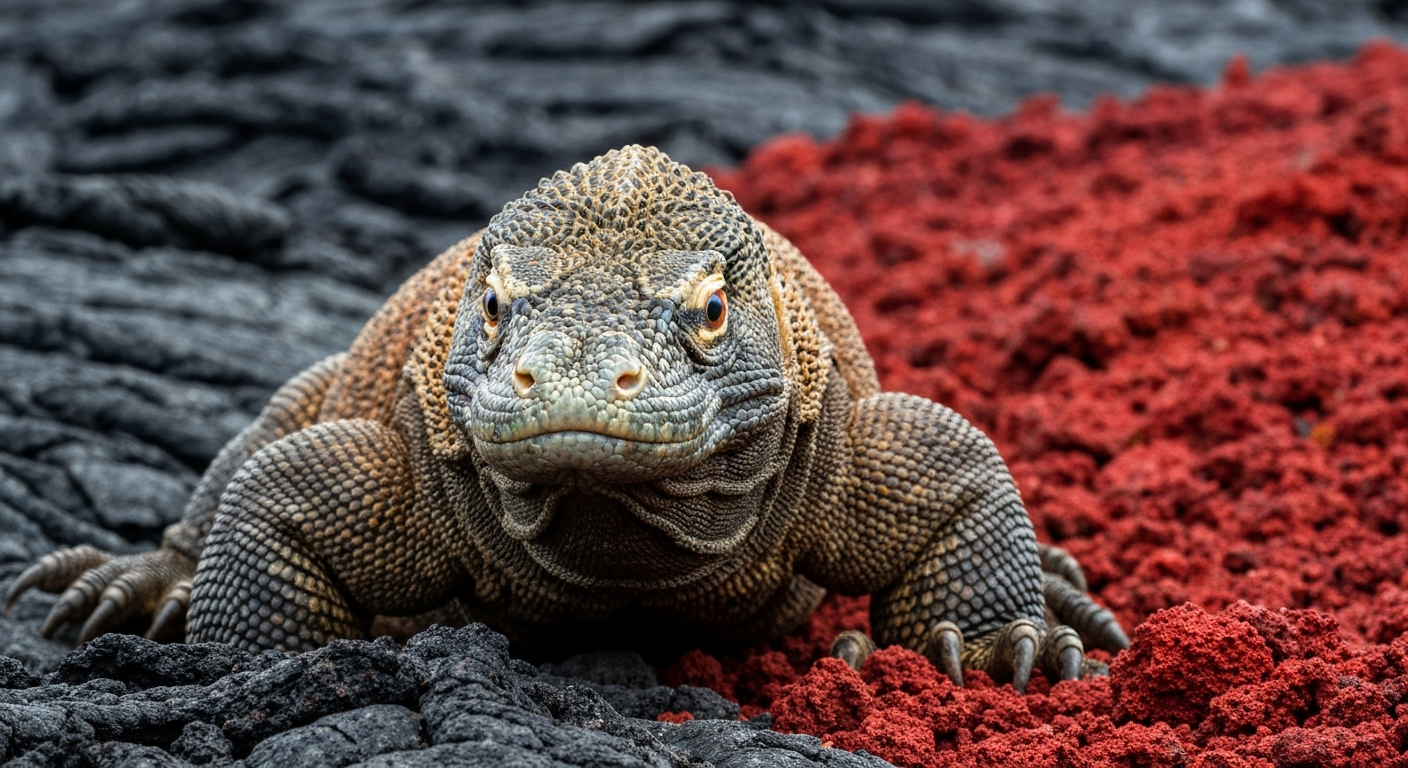
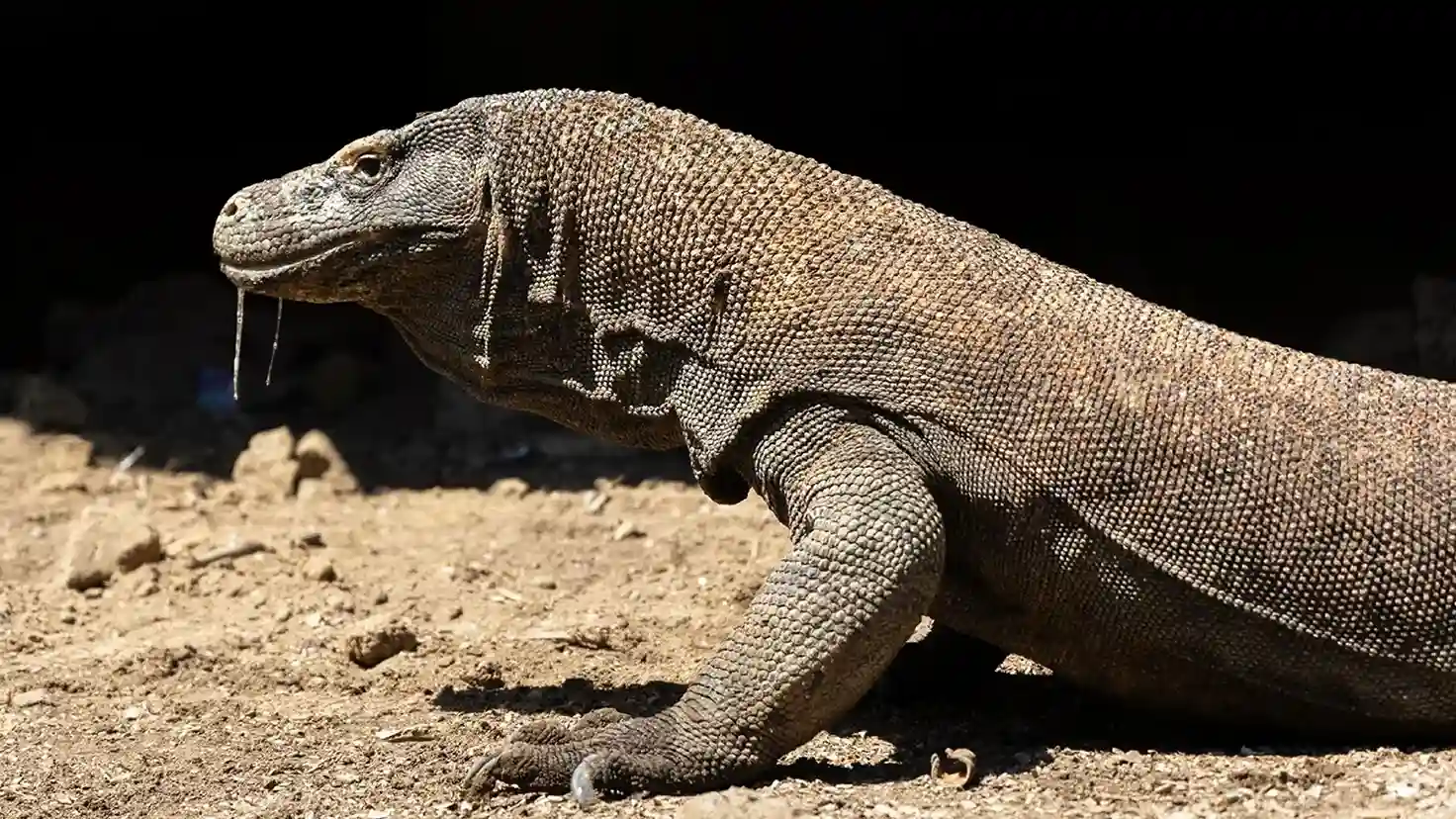
Rinca Island holds a special place in the Komodo National Park experience as the most accessible and reliable location for encountering the world’s largest living lizard. Located just 45 minutes by boat from Labuan Bajo harbor, Rinca is invariably the first stop on day trips, liveaboard cruises, and private speedboat tours — and for many visitors, the dragon encounters here prove to be the most memorable of their entire Komodo adventure. The island is home to approximately 1,300 Komodo dragons, making it one of the densest populations anywhere in the park. Unlike Komodo Island, where dragons are spread across a larger area and can be harder to spot, Rinca’s more compact geography and the strategic location of the ranger station near known dragon resting areas means that sighting probability exceeds 95% on guided treks. Many visitors encounter multiple dragons within the first ten minutes of stepping onto the trail.
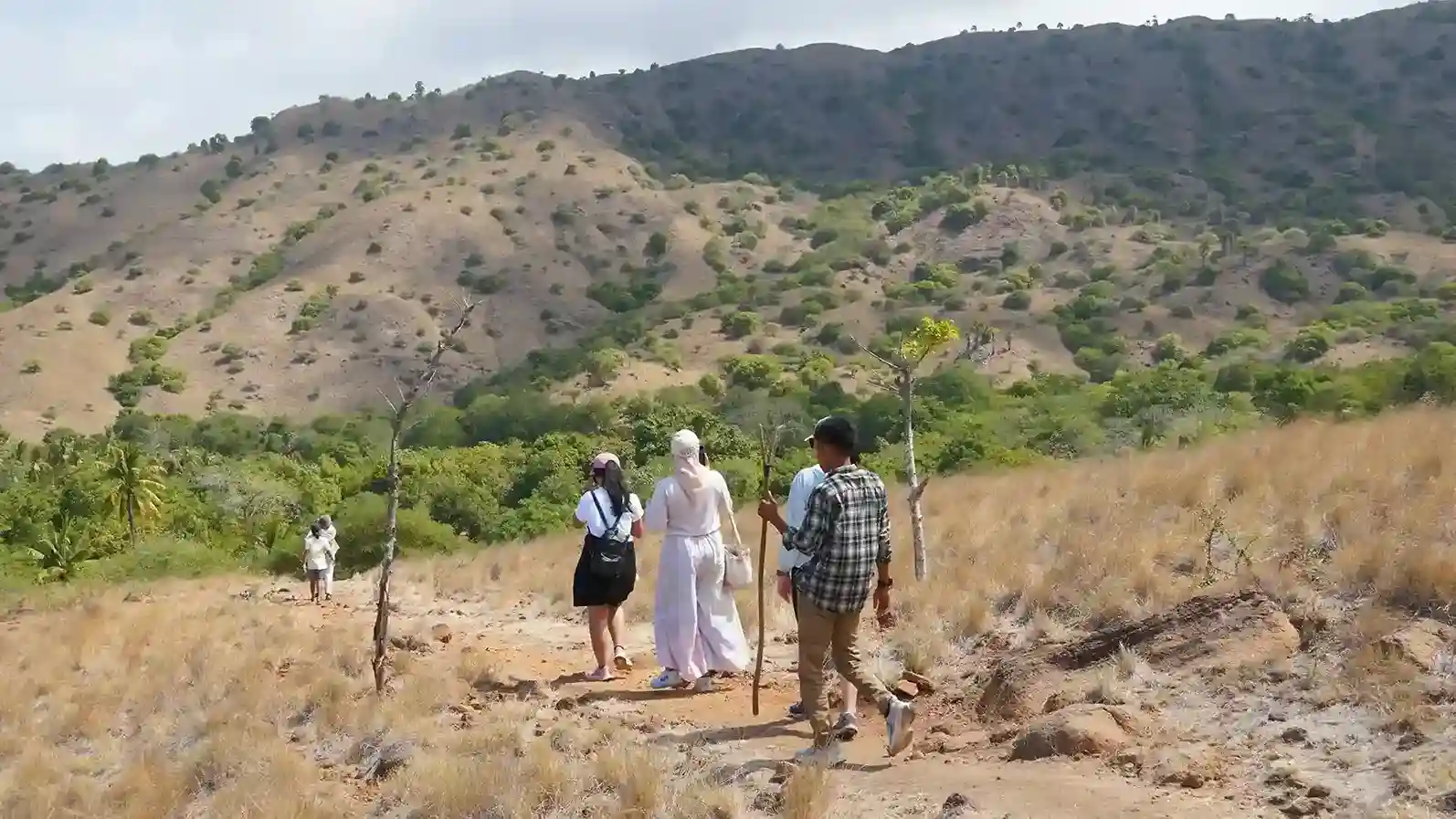
All visitors to Rinca Island must be accompanied by certified park rangers who carry forked wooden sticks as protective equipment. The rangers are highly experienced naturalists who can identify individual dragons by their markings, interpret their body language, and maintain safe viewing distances at all times. Three trekking routes are available, each offering different difficulty levels and wildlife encounters.
Short Trek: The most popular option for day-trip visitors, the short trek loops through the area immediately surrounding the ranger station and along the bay waterfront. This route offers the highest probability of dragon sightings, as multiple large individuals routinely rest beneath the ranger station buildings and along the kitchen area where food odors attract them. Beyond dragons, expect to see water buffalo, wild boar, Timor deer, long-tailed macaques, and numerous bird species including sea eagles, green imperial pigeons, and cockatoos.
Medium Trek: Extending into the island’s interior savannah, the medium trek passes through drier grassland habitat where dragons hunt and nest. This route offers the chance to see dragons in more natural, wild settings — stalking prey, basking on sun-warmed rocks, or guarding nesting sites during breeding season (May-August). The trail climbs to a modest viewpoint overlooking Rinca’s dramatic bay and surrounding islands.
Long Trek: For the most adventurous visitors, the long trek traverses a significant portion of the island, ascending to higher viewpoints and passing through varied ecosystems including mangrove forest, dry savannah, and monsoon forest. This route maximizes wildlife diversity and offers the most remote, uncrowded dragon encounters. Suitable for fit hikers who want the deepest possible immersion in Komodo’s natural environment.
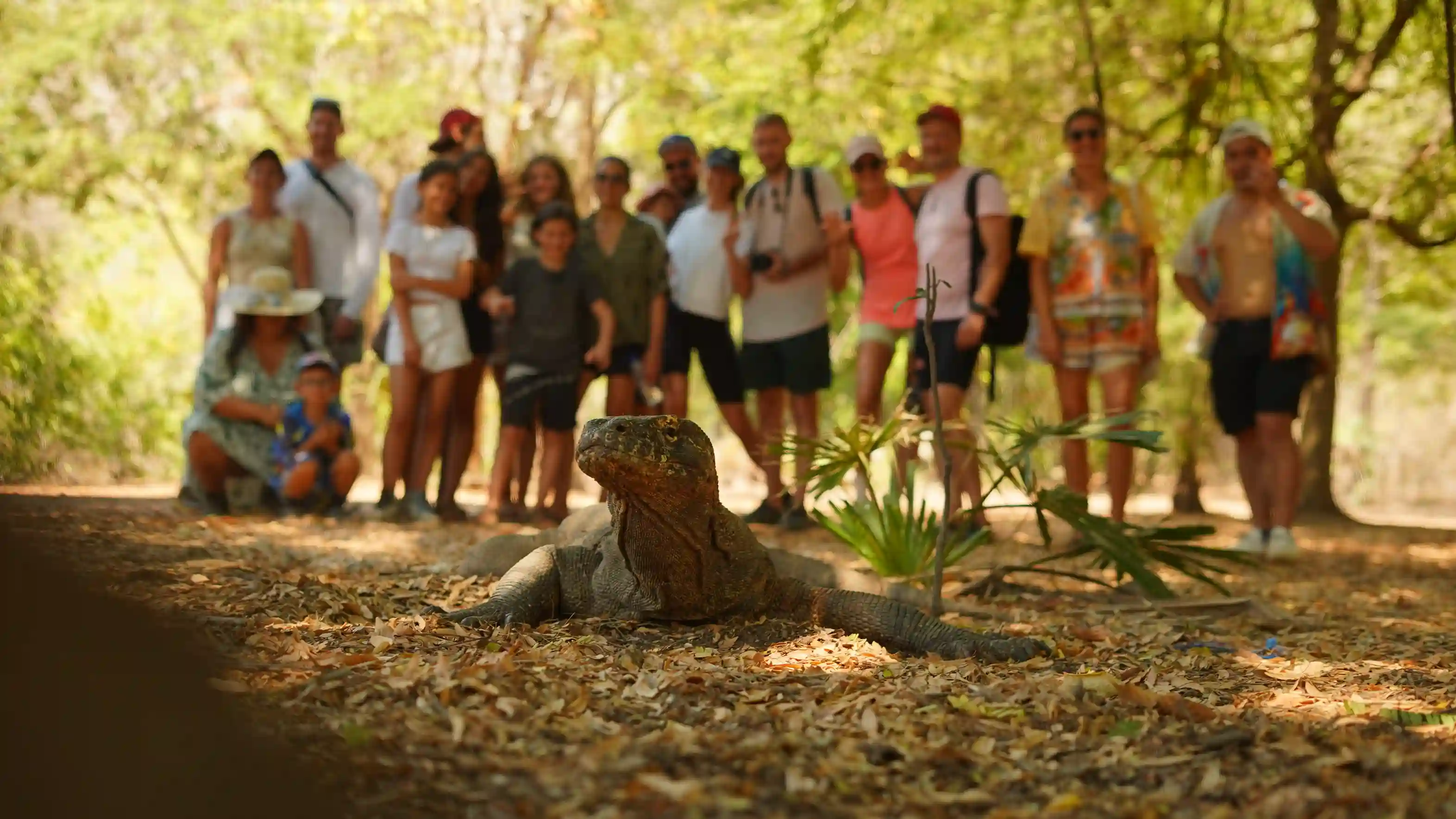
Komodo dragons are the world’s largest lizards, reaching up to 3 meters in length and 70 kilograms in weight. While attacks on humans are extremely rare, these are wild predators that command respect. Park regulations require all visitors to stay with their ranger guide at all times, maintain a minimum distance of 2 meters from dragons, avoid wearing strong perfumes or red clothing (which may attract dragons), report any cuts or open wounds to the ranger (dragons can detect blood from great distances), stay quiet and move slowly around dragons, and keep personal belongings close to your body. Women who are menstruating are advised to inform their ranger guide, as Komodo dragons can detect blood from several kilometers away. Additional precautionary positioning will be arranged. Children under 5 are generally discouraged from trekking, though exceptions can be discussed with park authorities.
One of the planet’s last truly wild frontiers — explored the right way.
Bali → Komodo
Many visitors wonder whether they should visit Rinca, Komodo Island, or both. Rinca is closer to Labuan Bajo (45 minutes vs 2 hours), has a higher density of dragons near the trekking area, offers easier and shorter trails, and is included on all day-trip itineraries. Komodo Island is larger, has dragons in more wild and dramatic settings, offers longer and more challenging treks, and is typically included on multi-day liveaboard cruises. For the most comprehensive experience, our 3D2N package includes trekking on both islands.
While Komodo dragons are the headline attraction, Rinca Island supports a rich ecosystem of other wildlife species that enhance the trekking experience. Water buffalo are commonly seen wallowing in muddy pools or grazing on the savannah — these impressive animals are actually a key prey species for adult dragons. Timor deer (the dragons’ primary food source) are abundant and can often be seen in herds on open grassland. Wild boar, long-tailed macaques, and the Timor monitor lizard (a smaller relative of the Komodo dragon) are regular sightings. Birdwatchers will find Rinca particularly rewarding, with over 40 bird species recorded on the island including the white-bellied sea eagle, brahminy kite, green imperial pigeon, helmeted friarbird, yellow-crested cockatoo, and numerous kingfisher species. The mangrove areas near the jetty are especially productive for bird sightings during morning visits.
Rinca is included on all our Komodo tour packages — your dragon adventure starts here.