SEASONAL GUIDE
Best Time to Visit Komodo National Park 2026
Month-by-month weather, diving conditions, crowds, and pricing — find your perfect window for a Komodo adventure.
Ask Our ExpertsDry Season: April to October
The dry season is considered the prime time for visiting Komodo National Park, offering the most consistent weather conditions for both land and water activities. Rainfall is minimal, skies are predominantly clear, seas are calm, and diving visibility reaches its peak at 20-30+ meters. This is the period when the northern dive sites (Batu Bolong, Castle Rock, Crystal Rock) are at their absolute best, with strong currents bringing nutrient-rich water and large pelagic species.
Within the dry season, conditions vary by month. April and May mark the transition from wet to dry with occasional afternoon showers but increasingly stable conditions and green landscapes. June through August is peak season with the best weather, warmest water temperatures (28-30°C), and highest visitor numbers. September and October offer excellent conditions with diminishing crowds and lower prices — our recommended sweet spot for value-conscious travelers.
Peak Season: July and August
July and August deliver the most reliable weather and the busiest visitor conditions. Average temperatures reach 30-33°C, rainfall is virtually zero, seas are at their calmest, and diving visibility is at maximum. These months coincide with European and Australian school holidays, driving the highest demand for liveaboard cruises, private charters, and hotel accommodation in Labuan Bajo.
The main disadvantages of peak season are higher prices (20-30% premium over shoulder months), less availability (popular liveaboards and dates book out 2-3 months ahead), and more crowded sites — particularly Padar Island and Rinca Island during midday hours. For travelers visiting during peak months, we strongly recommend booking 6-8 weeks in advance and choosing early morning departure times to beat the crowds.
Shoulder Season: April-June and September-October
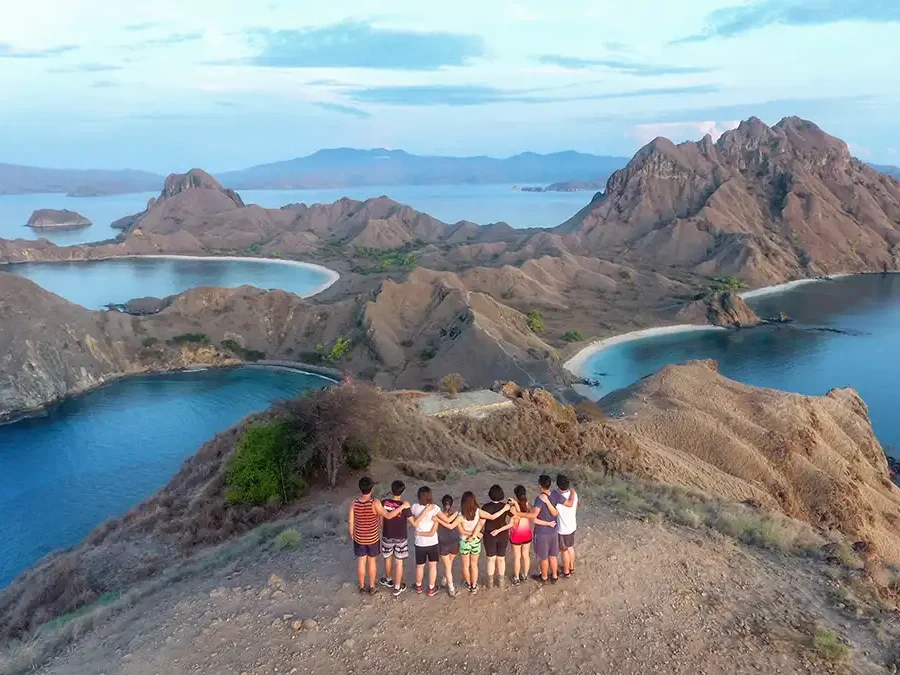
The shoulder months offer what many experienced travelers consider the ideal Komodo experience. Weather conditions are nearly as good as peak season, but with significantly fewer visitors, better availability, and lower prices. Day trips departing from Labuan Bajo encounter smaller groups at each island stop, Padar Island summit hikes feel more exclusive, and liveaboard vessels operate with more spacious guest-to-crew ratios.
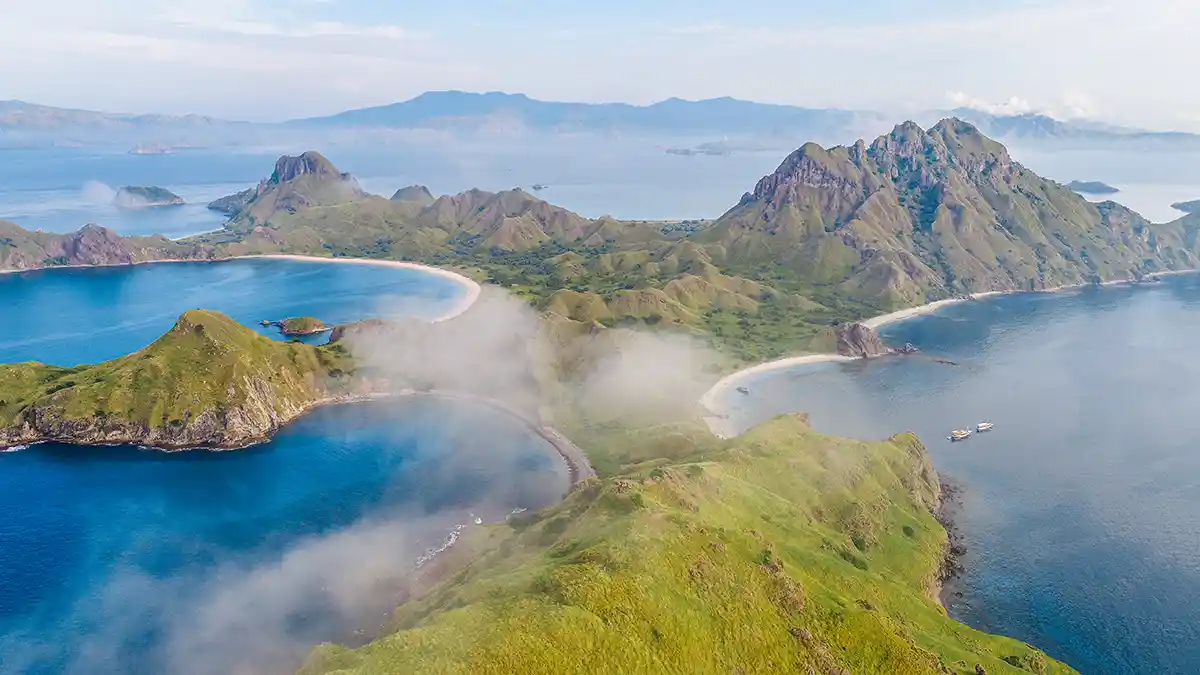
April-May has the added advantage of lush green landscapes following the wet season, making for more photogenic island scenery. September-October offers warm water and reliable conditions with the possibility of manta ray sightings increasing as the transition to wet season begins. Both periods typically see 15-25% lower pricing compared to July-August.
Wet Season: November to March
The wet season brings warmer water temperatures from the south, afternoon rain showers (typically 1-2 hours), occasionally rougher seas, and reduced visibility at some dive sites. However, it also delivers some unique advantages that savvy travelers capitalize on: manta ray sightings at Manta Point peak during December-February when plankton blooms attract the largest gatherings, southern dive sites become more accessible and productive, hotel and tour prices drop 20-30%, and the overall visitor experience is more intimate and uncrowded.
Tour operations continue throughout the wet season with adjusted itineraries that favor sheltered sites and take advantage of the excellent manta conditions. Liveaboard cruises operate year-round, and experienced captains know how to position vessels for the best conditions at any time of year. The wet season is particularly recommended for diving enthusiasts prioritizing manta encounters.
Best Weather
July-August: zero rain, calm seas, 30°C water
Best Value
Apr-May, Sep-Oct: great weather, 20% less cost
Best Mantas
Dec-Feb: peak manta season, fewer crowds
Month-by-Month Summary
January through March brings the wettest conditions with afternoon storms and rougher seas, but excellent manta encounters and the lowest prices of the year. April marks the transition to dry season with improving conditions and great value. May and June offer increasingly stable weather as the dry season establishes. July and August are peak months with perfect conditions but premium prices and crowds. September and October maintain excellent conditions with diminishing visitors. November and December begin the transition to wet season, with November still offering good conditions and December bringing the start of peak manta season.
For the most comprehensive Komodo experience balancing weather, marine life, value, and crowd levels, we recommend May or September as the single best months to visit. Both deliver near-perfect conditions at shoulder-season prices, with May adding the bonus of green island landscapes and September offering the beginning of enhanced manta activity. Read our cost guide for detailed seasonal pricing.
Frequently Asked Questions
Can I visit Komodo during the wet season?
Yes, Komodo tours operate year-round. The wet season brings afternoon rain showers (not all-day rain), slightly rougher seas, and reduced visibility at some sites. However, manta ray encounters peak during December-February, prices are 20-30% lower, and crowds are minimal. Liveaboard and day trip itineraries adjust to favor sheltered sites.
What is the water temperature in Komodo?
Water temperatures range from 24-27°C during wet season (cooler, nutrient-rich water from the south) to 28-30°C during dry season (warmer, clearer water from the north). A 3mm wetsuit is comfortable year-round, with 5mm recommended for deeper dives during wet season months.
When is the cheapest time to visit Komodo?
January-March offers the lowest prices, with tour packages 20-30% below peak season rates. November-December are also good value months. For the best balance of price and conditions, April-May and September-October provide near-peak weather at shoulder-season prices.
When are the biggest crowds at Komodo?
July and August see the highest visitor numbers, coinciding with European and Australian school holidays. Indonesian public holidays (particularly Lebaran/Eid and Christmas-New Year periods) also create temporary crowding surges. Early morning departures and multi-day liveaboards help avoid peak crowds at major sites.
What is the best month for diving in Komodo?
For reef diving and visibility, August-October offers the best conditions at northern sites. For manta encounters, December-February is peak season. April-June provides a good all-around diving experience with improving visibility and the last of the manta season. Diving is possible year-round with appropriate site selection.
Plan Your Perfect Komodo Trip
Expert advice, zero obligation — let us help you plan.
Chat on WhatsAppsales@balipremiumtrip.com